The Phases of Human Movement
Drew Johansen
Phases of Human Movement
A Methodology for Understanding Human Movement
Phases of Human Movement (PHM) is a methodology developed by Drew Johansen through more than 30 years of work in diving, coaching, movement analysis, and performance development.
PHM provides a framework for understanding, analyzing, developing, optimizing, monitoring, and sustaining repeatable, consistent, specific human movement.
The methodology is based on the recognition that effective movement is not simply a collection of positions or isolated skills. Movement is a connected sequence in which each phase contributes to what follows.

The PHM Framework
Movement Sequence → Critical Positions → Technique → Posture → Power & Control → Physical Capacity → Development / Essential Skills → Performance → Monitoring / Adaptation
PHM begins by identifying the movement sequence and the meaningful phases within that sequence.
Critical positions identify important points within the movement.
Technique describes how an individual moves between critical positions. There may be multiple effective techniques that satisfy the same movement requirement.
Posture provides the continuous link between phases, supporting the body's ability to produce and control movement.
Power & control describe the physical expression of movement, while physical capacity addresses the capabilities required to perform and repeat that movement effectively.
Development and essential skills are then organized around the demands of the movement, leading toward repeatable performance and ongoing monitoring and adaptation.
Movement Is Specific
PHM does not prescribe a single universal movement pattern.
Different movements have different sequences, phases, boundaries, critical positions, techniques, postural requirements, and physical capacities.
The methodology therefore begins with the movement itself.
Each application must determine what is meaningful within that movement and what is required to perform it consistently.
Movement Is Repeatable
Many forms of human movement are performed repeatedly and under changing conditions.
Fatigue, load, changes in physical capacity, pain, inflammation, environment, and other factors can alter movement and the way one phase connects to another.
PHM provides a framework for identifying and understanding those changes so that movement can be developed, optimized, monitored, adapted, and sustained.

From Diving to a General Methodology
PHM was developed through decades of work in diving.
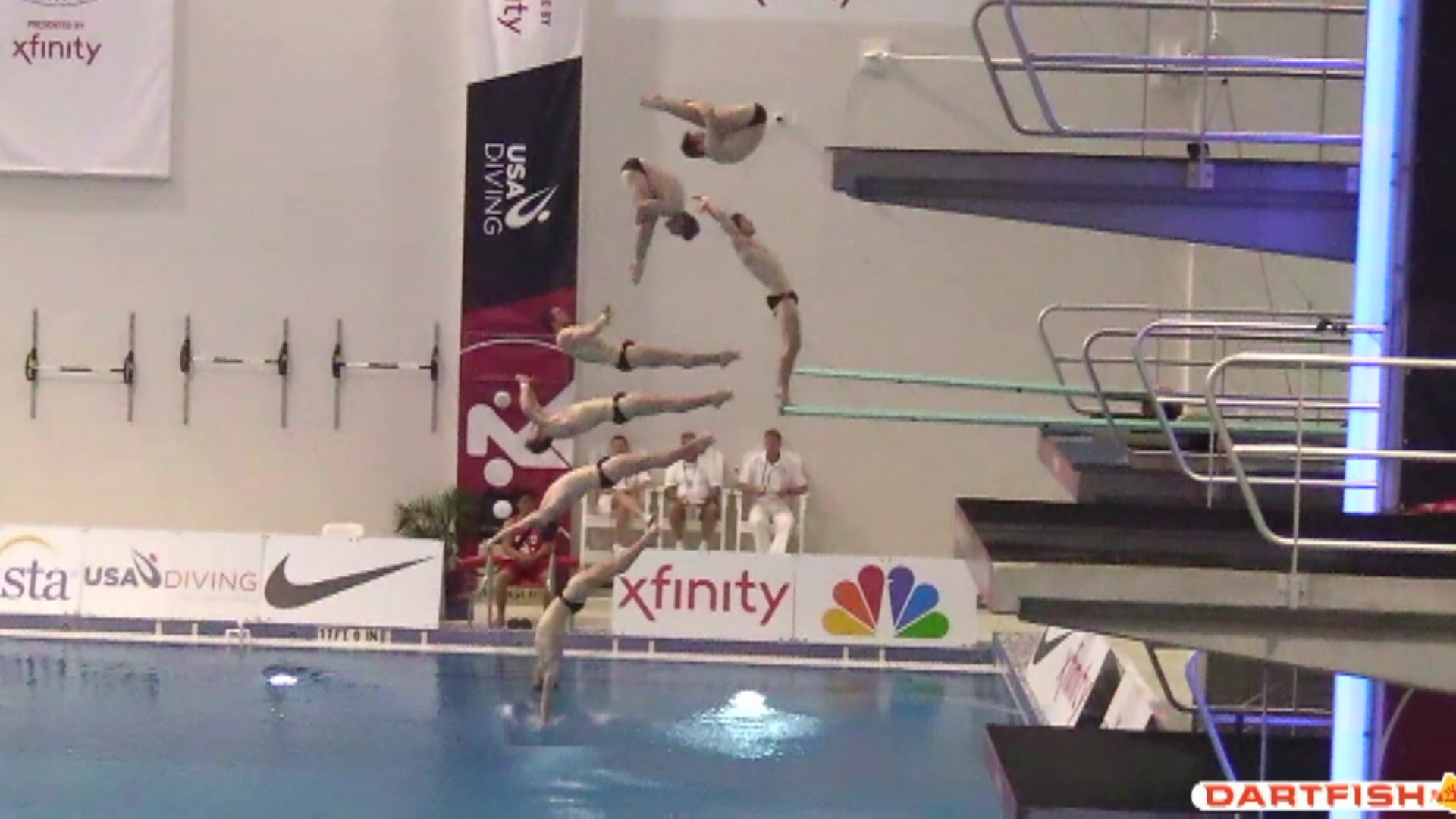
The study and refinement of diving movement led to the development of the Seven Phases of Diving and the associated Essential Skills system.
The Seven Phases represent a specific application of the broader Phases of Human Movement methodology to diving.
PHM is not limited to diving.
The methodology provides a foundation for examining other forms of repeatable human movement, including sport, rehabilitation, occupational movement, and other performance environments.
A Continuing Body of Work
Phases of Human Movement is an evolving body of work developed through observation, analysis, coaching, application, and refinement of human movement over time.
Its purpose is to provide a practical and systematic way to understand movement and to connect movement analysis with physical development, performance, and long-term adaptation.
The movement determines the phases.
The phases reveal the critical positions.
The critical positions define the movement requirements.
Technique connects them.
Posture supports them.
Physical capacity makes them repeatable.
Phases of Human Movement provides the framework for understanding the whole.